
People ask why my books don’t look like “normal” books. Why the titles twitch, why the prose refuses to march in straight lines, why I lean into formatting that makes copyeditors twitch. The answer is both simple and evasive: the story demanded it. Subversion is my key motivator – language, culture, genre, whatever stands too smugly, I want to knock it sideways.
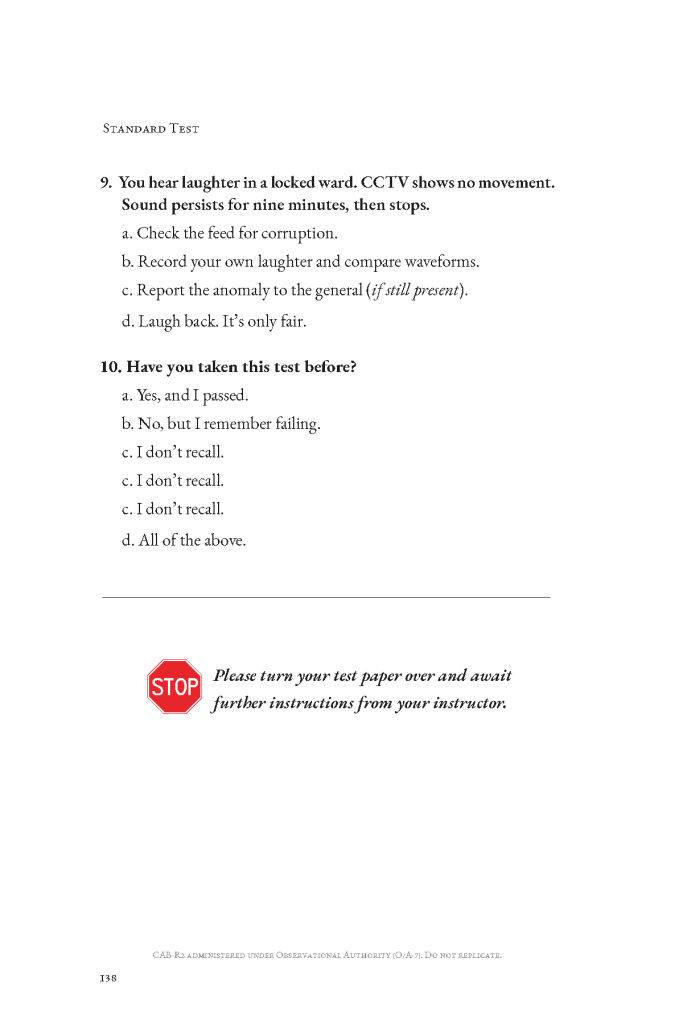
Take the paratext, those pages most readers skip. I didn’t want a safe little disclaimer to pat anyone on the head. I wanted the opening to feel unstable, already compromised, as though coherence itself were optional. The dedication isn’t reassurance; it’s a warning label.
The prose had to wobble, too. One moment rural realism, the next lyric intensity, the next something uncanny seeping in. Stability is the lie. If I’d written Sustenance in straight realist mode, it would have betrayed the book’s core.
As a language philosopher, I treat manuscripts as sandboxes for showing how language falters. Words crack, meanings slip, syntax betrays us. Fiction is my way of rubbing readers’ noses in that insufficiency.
I don’t hate genre fiction, but I refuse to be bound by it. In Sustenance, I swerve deliberately:
realism → horror → first-contact science fiction → rural noir
It’s genre fluidity as method. I know this puts off readers who want neat tropes and templates. But those readers are welcome to their factory-sealed shelves.
Did I intend to frustrate? Yes, a little. Not out of malice, but because too many books behave like obedient products. I don’t want to hand readers a smoothie. I want them to taste the grit, to feel that the novel might collapse under them. In fact, it does. The refusal to “pay off” is deliberate. Closure is a consumer demand, not a literary necessity.
So why did I write Sustenance this way? Because it’s not just about what happens. It’s about how information fails, how language decays, how coherence itself becomes suspect. If the book looked and read “normally,” it would have been lying to you.
Motivation: This reflection isn’t meant as a commentary on Sustenance’s plot. My intent here is to discuss the meta — the formal and philosophical scaffolding — rather than the story itself, so as to avoid spoilers. I’ll engage with the work more directly, in more traditional fashion, elsewhere.


 Ridley Park