
Does anyone else use writing props to help immerse yourself in adjascent fiction?
This unicorn image is from a poster. I am using it as a reference for a current project. It’s already seared into my brain, but it renders it somehow more real.
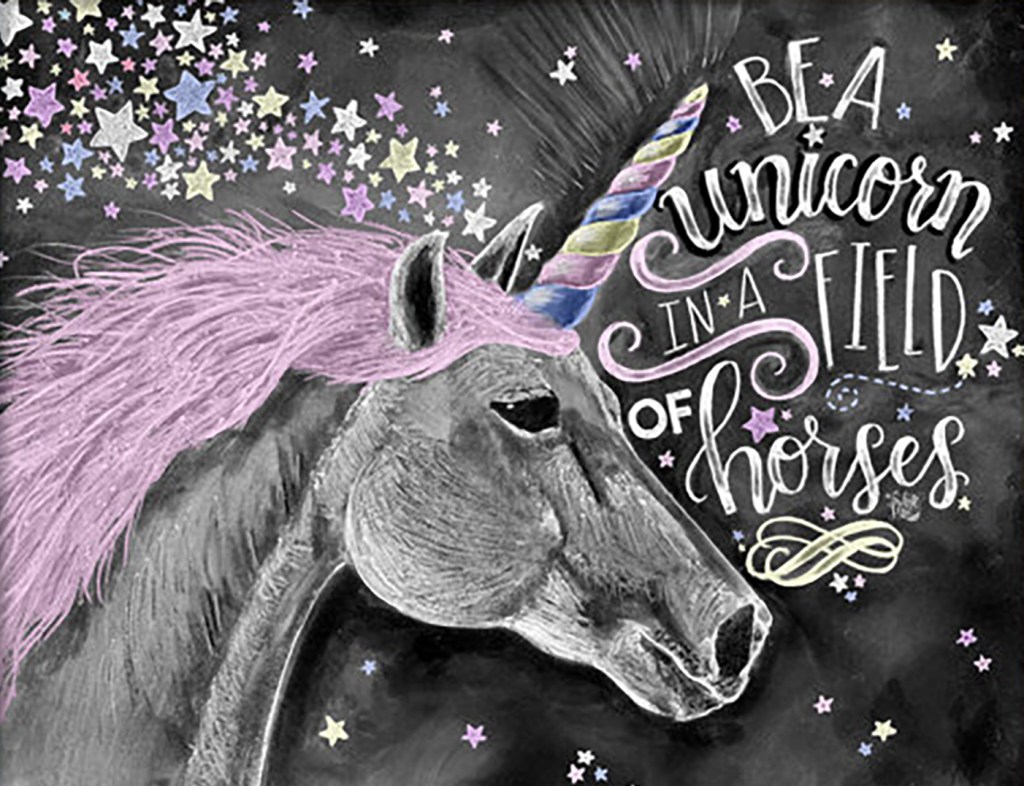
This unicorn poster hung on the wall of the inspiration for the protagonist of an upcoming novel, Needle’s Edge. It featuers prominently – almost has a speaking part.
Maps
Hemo Sapiens: Awakening is set in near-future Manchester, UK, so I had maps of Manchester at the ready. It helped me to add some realism. Because a trip from a nearby town into the city only took 15 to 20 minutes, I had to edit down a scene I was hoping would fill an hour. I could have used a location further away, but it wouldn’t have made sense to the plot, and I hate those sorts of plot gimmicks.
Sustenance is set in Iowa. I not only had a map of Iowa, I had resources on flora and fauna, so I could name-drop. I’ve visited parts of Iowa, but I couldn’t have drawn these details from memory—and I mightn’t have known the names or the onomonapoeia fascimiles.
Temporal Babel is set in New Mexico, so besides a map for highway references and distances from landmarks—towns, cities, and reservations—, I saved image resources of local photographs, landscapes, plants, buildings, attire, and so on. It really helps we with the description, something that is not otherwise my forte.
Propensity is set in no place in particular, so I used no maps, but I studied interiors of institutions, prisons, laboratories, and the like.
This is another unicorn sticker that was in the house of the protagonist, but it doesn’t make the cut. It still makes me chuckle.

Another unfinished novel, Everlasting Cocksucker, is set in Philly. I spent severl years in and around there, so I know the lay of the land. Still, I find maps useful.
I put this project ont he backburner because I received so much hate over the subject matter. I decided to concentrate on other projects. But, I created a physical shadowbox as a reminder of the protagonist.
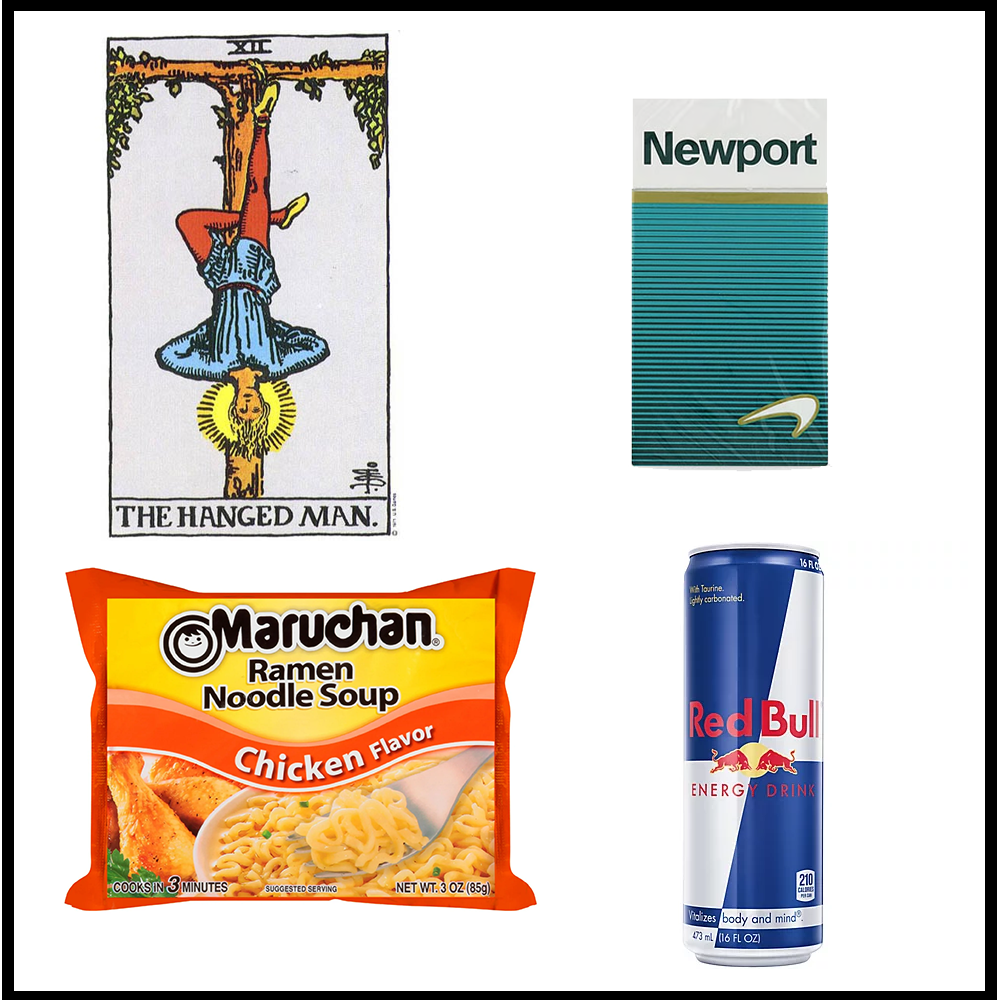
In this story, this represents her life habits: Newport Menthol 100s in a box, Red Bull, Maruchan Ramen, and tarot readings. The Hanged Man is relevant to the plot. When I return to the manuscript, I’ll have this as, let’s call it, inspiraration.
If I wrote genre fiction, this wouldn’t work as well – Sci-Fi or Fantasy and whatnot. It might work for historical fiction though.
Do you have any habits that help you to write?

 Ridley Park