The Hemo Sapiens project has had my mind and fingers pretty occupied lately. I am a structured thinker, so I need to understand a lot of minutiae as I world-build. One aspect of this world are the inhabitants. As the setting is modern-day earth and the near future, much of this is established and can be left unsaid, but newly introduced characters need some definition, boundaries, and rules. Here, I explore this.
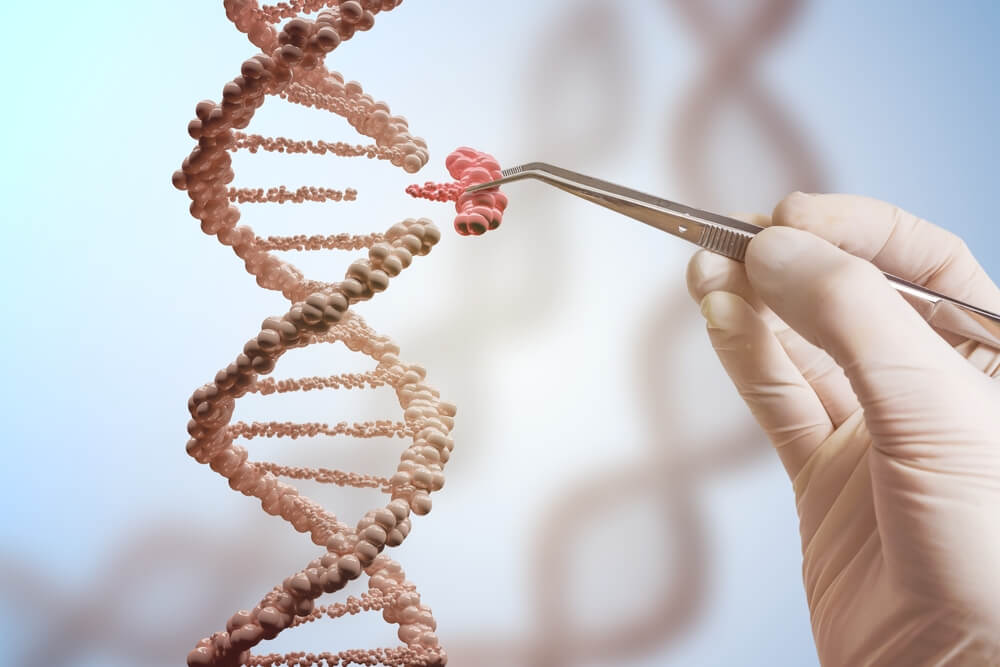
At the highest level, we have genetically engineered embryos that have been cloned in versions, as outlined below: alpha, beta, gamma, and so on. Each successive version has improvements over the previous version.
The first, alpha, version are substantially similar to humans, save for being sanguivorous or rather macro erythrophages or hemophages, to borrow some near terms. Not being, obligatory hematophagous, they only require blood as ancillary nutritional intake.
Hemo sapiens extract blood through their hollow fangs. The blood is processed an metabolised by an special internal organ.
In the accompanying podcast audio recording, I provide addition behind-the-scenes editorialising. This complements the content below. So check it out.
Versions
Alpha (2022)
The alpha versions of hemo sapiens arrived in 2022 (31 October 2022); They are wholly like humans except they have hollow fangs to extract blood and a specialised internal organ. Without a viable blood source, hemo sapiens exhibit symptoms similar to severe anaemia.
- – Baseline with fangs and blood metabolism
- – Identical lifespan and physiology to humans
- – No enhanced abilities
Beta (2032)
- – More efficient blood processing
- – Superhuman strength and stamina if fed enough blood
- – Accelerated healing and injury recovery
- – Higher immunity and disease resistance
- – Improved cognitive abilities and focus
- – Lifespan increased to 120 years
Gamma (2037)
- – Enhanced speed, reflexes, and agility
- – Low light vision capabilities
- – Rapid healing of minor wounds
- – High pain tolerance
- – Increased lung capacity and breath holding
- – Resistance to toxins and pathogens
- – Lifespan increased to 130 years
Delta (2040)
- – Significantly extended lifespan to 160 years
- – Accelerated cellular regeneration
- – Ability to ingest limited amounts of non-blood food
- – Increased strength without added blood consumption
- – Powerful immune system resists virtually all toxins and diseases
- – Delayed onset of ageing effects
Epsilon (2042)
- – Maximum lifespan extended to 200+ years
- – Regeneration and healing within minutes even from major wounds
- – Blood consumption reduced to minimal levels
- – Near invulnerability to toxins, viruses, and infections
- – Telepathic communication among Epsilon hemo sapiens
- – Extrasensory perception (limited precognition)
- – Heightened intelligence and cognitive function
Milestones
- Year 2012 – CRISPR first used to edit genes
- Year 2017 – Scientist begins early CRISPR experiments on somatic cells
- Year 2020 – First successful CRISPR germline edits made to embryos
- Year 2022 – Alpha version hemo sapiens born
- Year 2032 – Beta version hemo sapiens born
- Year 2039 – Gen-One Alpha hemo sapiens emerge as Gen-Zero members begin reproducing
- Year 2037 – Gamma version hemo sapiens born
- Year 2040 – Delta version hemo sapiens born
- Year 2042 – Epsilon version hemo sapiens born
- Year 2048 – Gen-One Beta hemo sapiens emerge as Gen-Zero betas begin reproducing



 Ridley Park