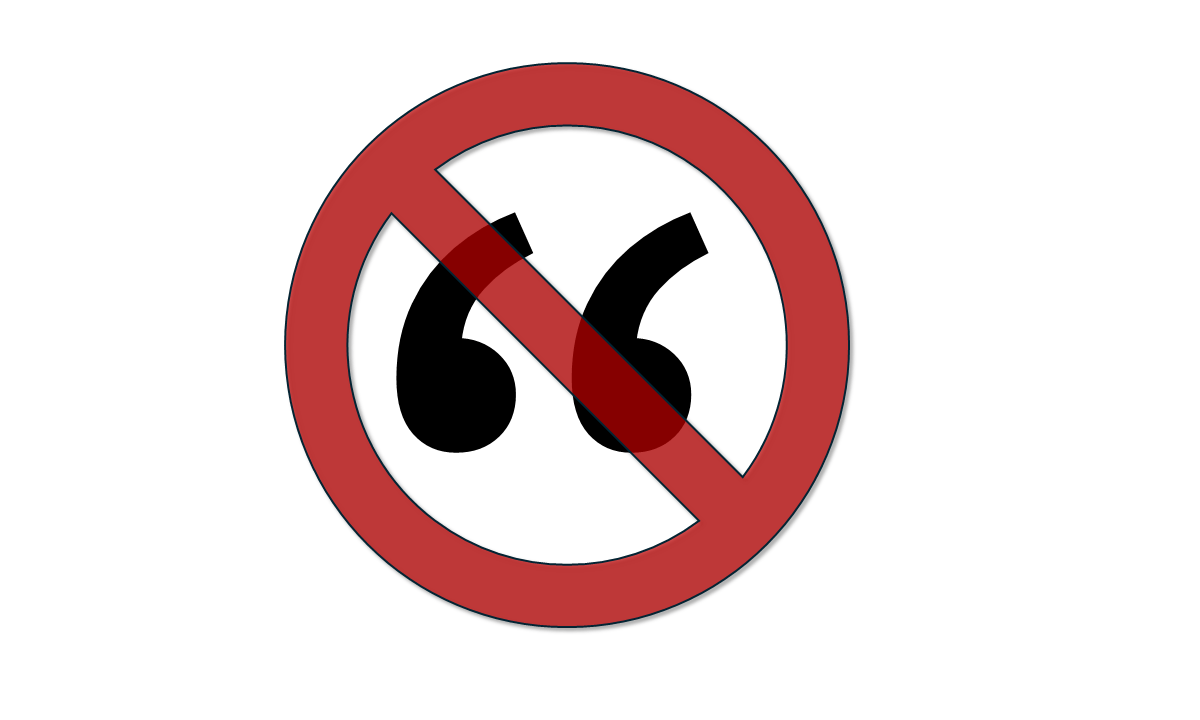
I’ve noticed a few publications adopting a quoteless or quote-free dialogue convention. I was wrestling with the idea of using it for my current short story, but I’ve opted not to.
On the upside, it can:
- create a more immersive reading experience, blending dialogue seamlessly with narration.
- give the prose a more streamlined, modern feel.
- be effective in representing stream of consciousness or internal monologue.
- subtly underscore themes of ambiguity or the blurring of reality and imagination.
On the upside, it might:
- lead to confusion about what is spoken aloud versus what is thought or narrated.
- be challenging for some readers, particularly those used to more traditional formatting.
- not be suitable for all types of stories or narrative styles.
I feel that it’s a valid stylistic choice that can be very effective when used deliberately and consistently. Its appropriateness depends on the specific work, its themes, and its intended audience.
If used, it often requires more careful writing to ensure clarity about who is speaking and what is dialogue versus narration. It works best when the author employs other means to differentiate dialogue, such as syntax, diction, or paragraph breaks.
For my current writing project, (working title: “The Riga Paradox”), given its themes of reality versus perception and the blurring of identities, omitting quotation marks could be an interesting choice.
However, it’s also a significant departure from my comfort zone and might require adjustments in other aspects of my writing to maintain clarity.
Does anyone have thoughts for or against quote-free dialogue? Have you used it yet?
 Ridley Park